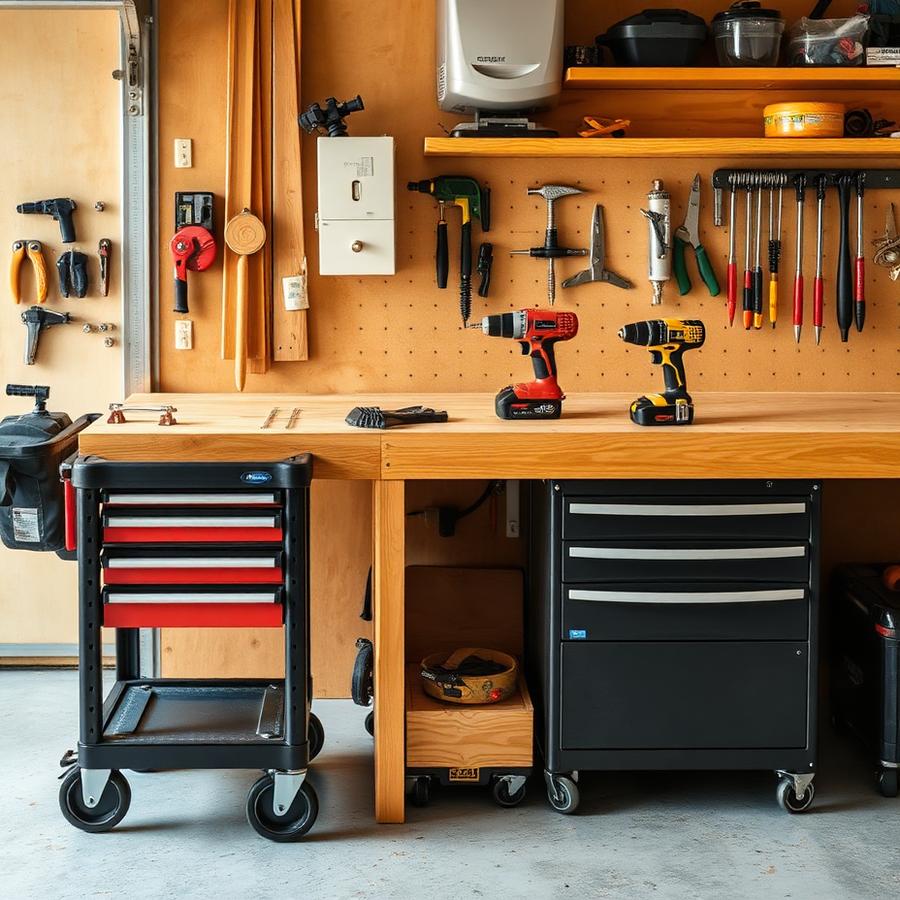
Use vertical space fully
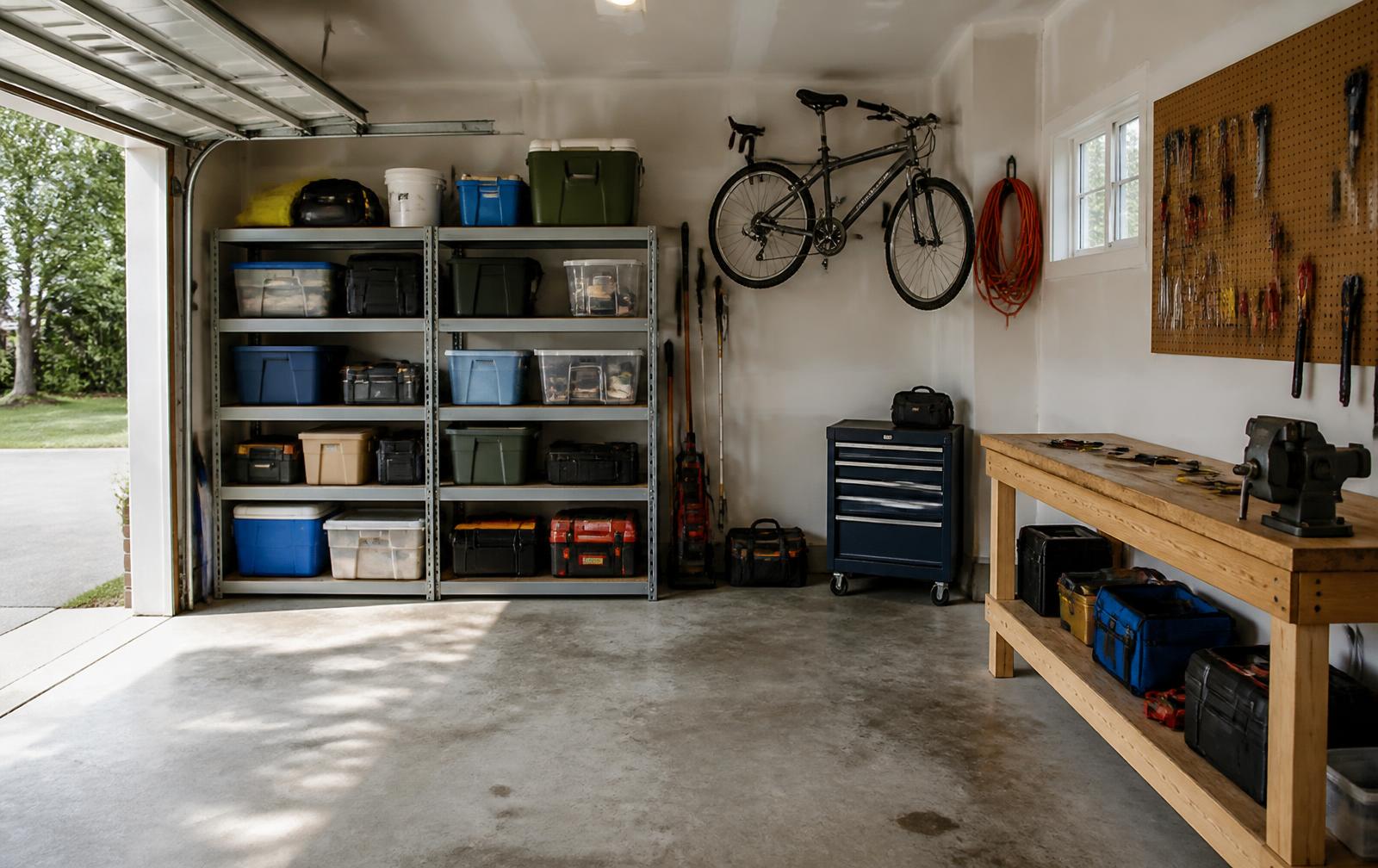
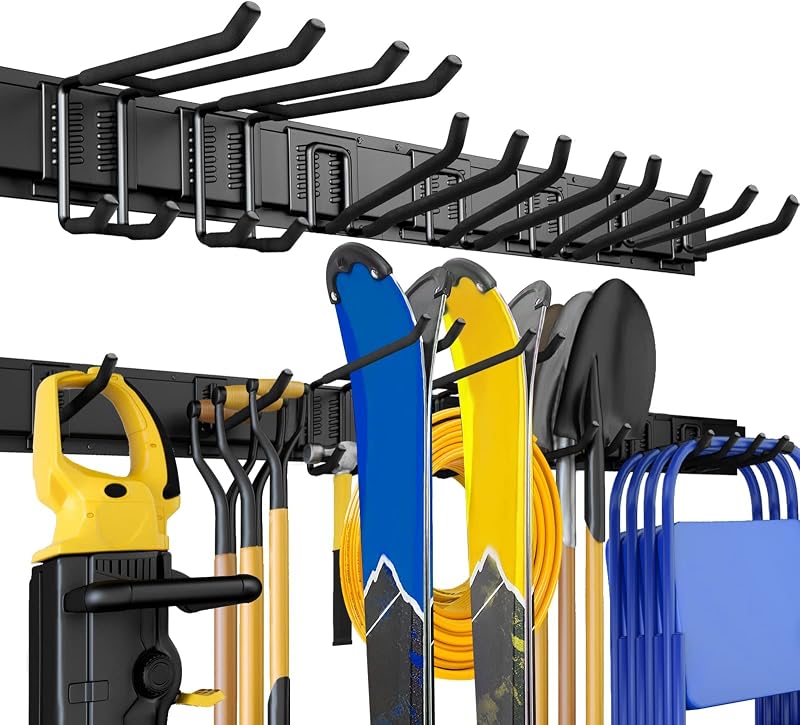
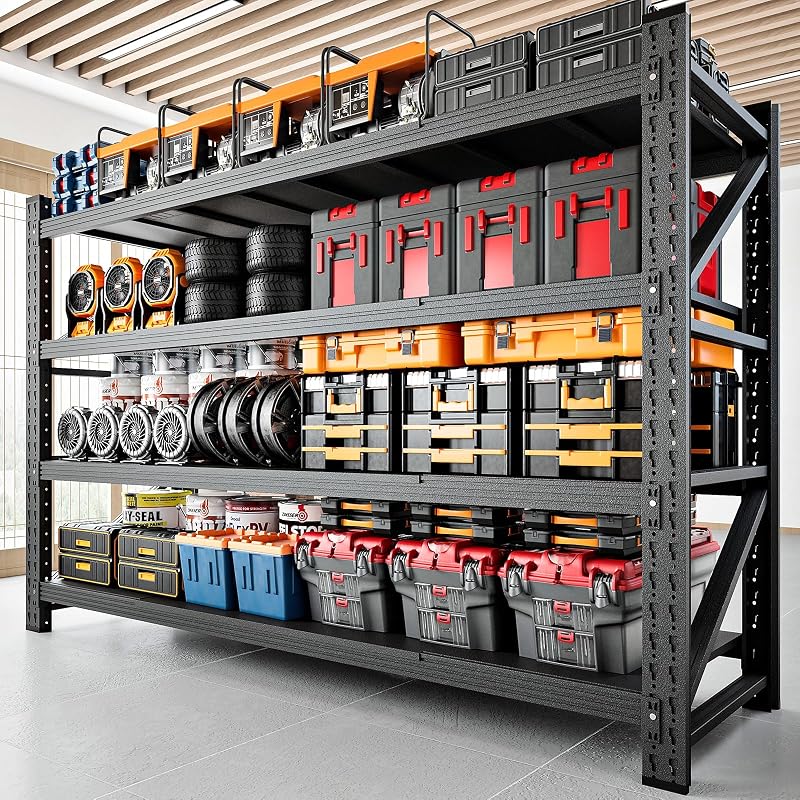
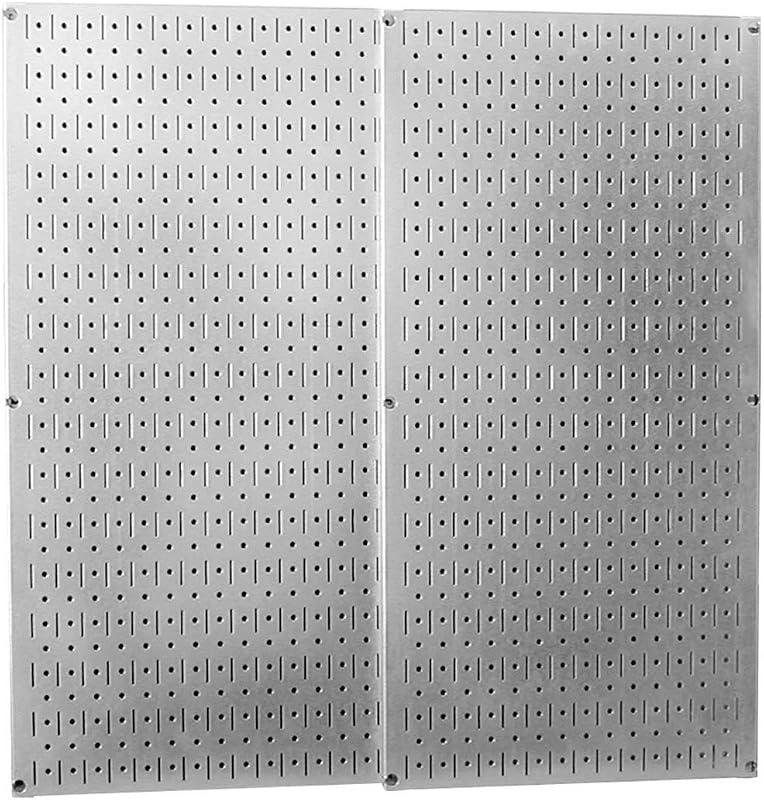
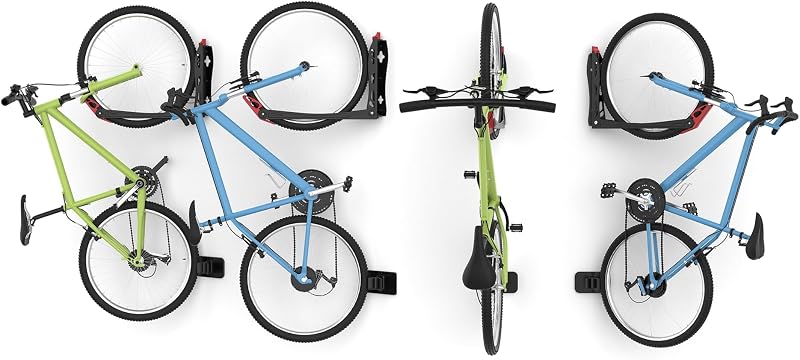
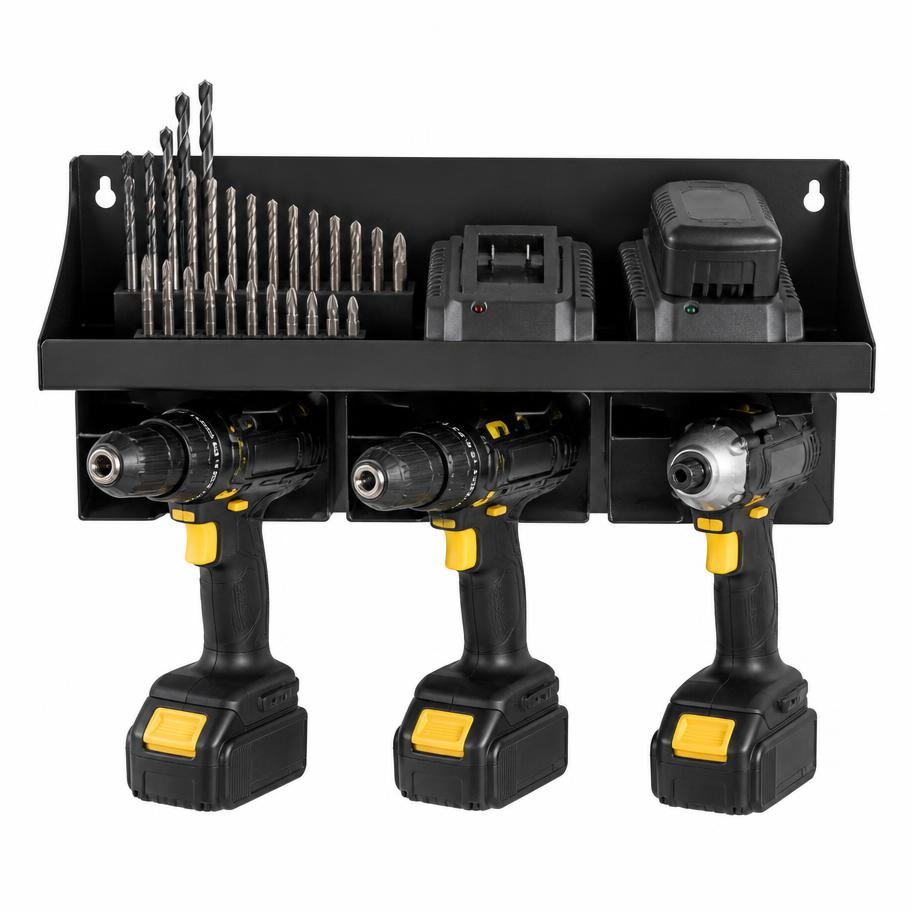
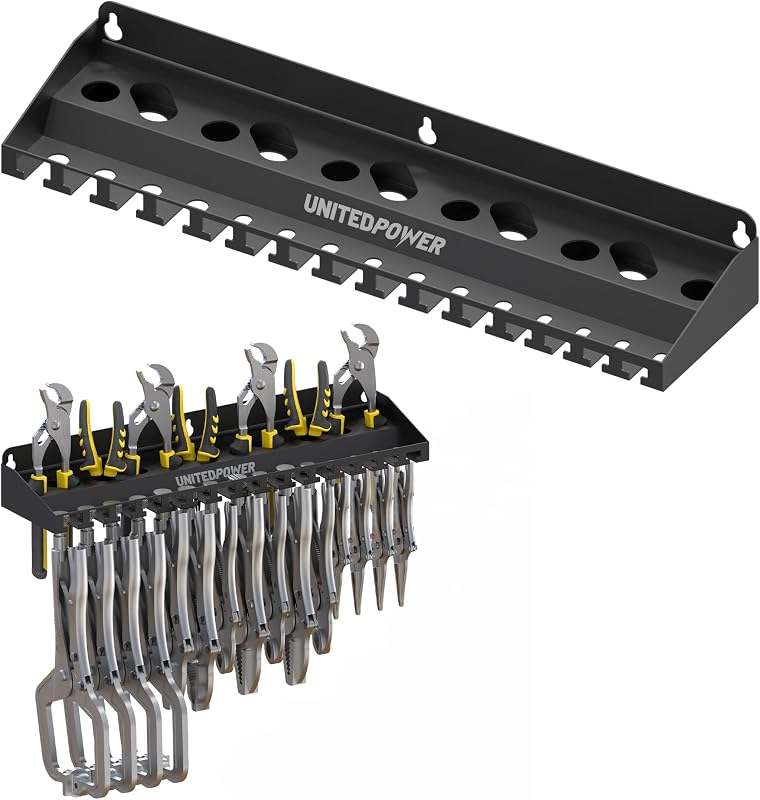
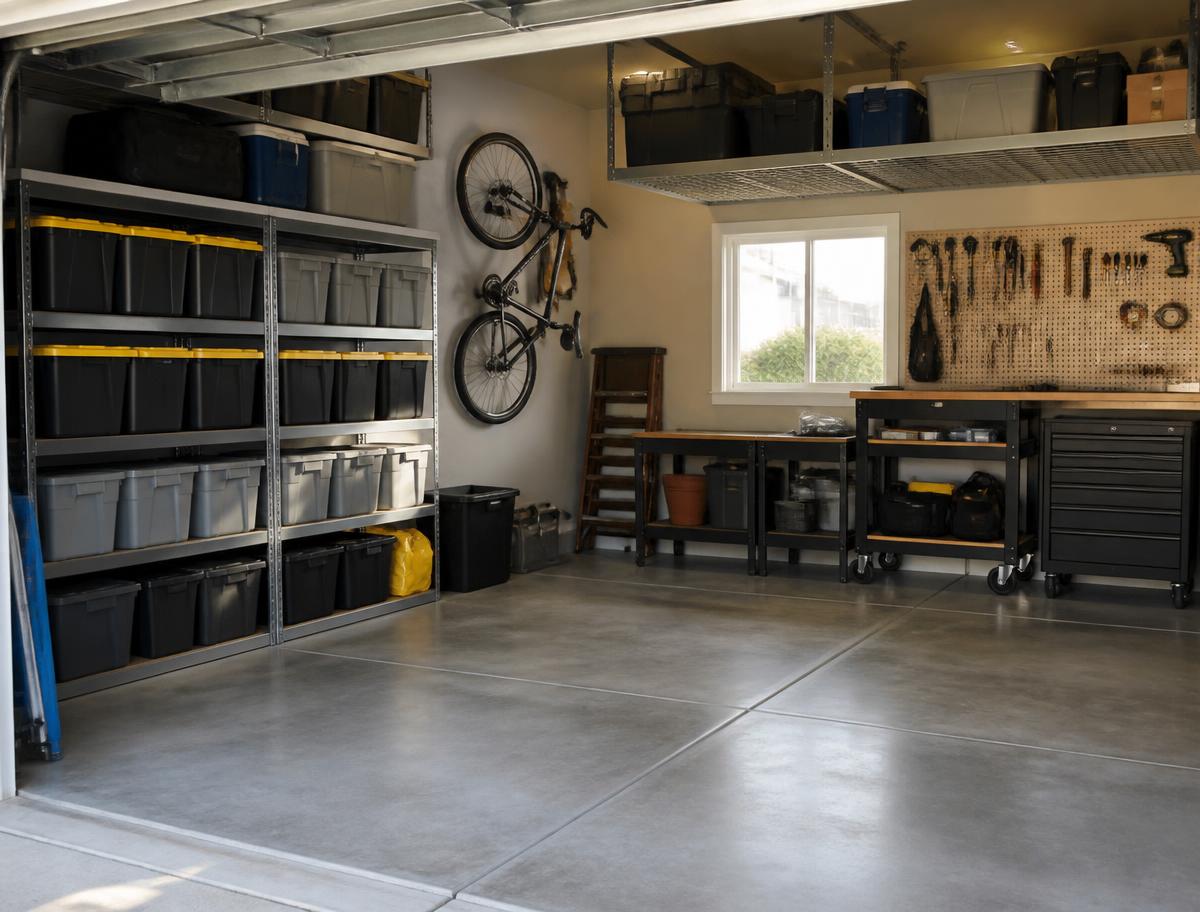
Don’t rely only on the floor—walls and height are your biggest assets in a garage. Install shelves or racks to lift items upward and free up space below. This creates more room for movement and reduces clutter. Vertical storage also makes it easier to see and access items. It’s one of the most effective ways to expand storage without adding square footage. Over time, it helps maintain a cleaner and more structured setup.
Keep frequently used items within reach
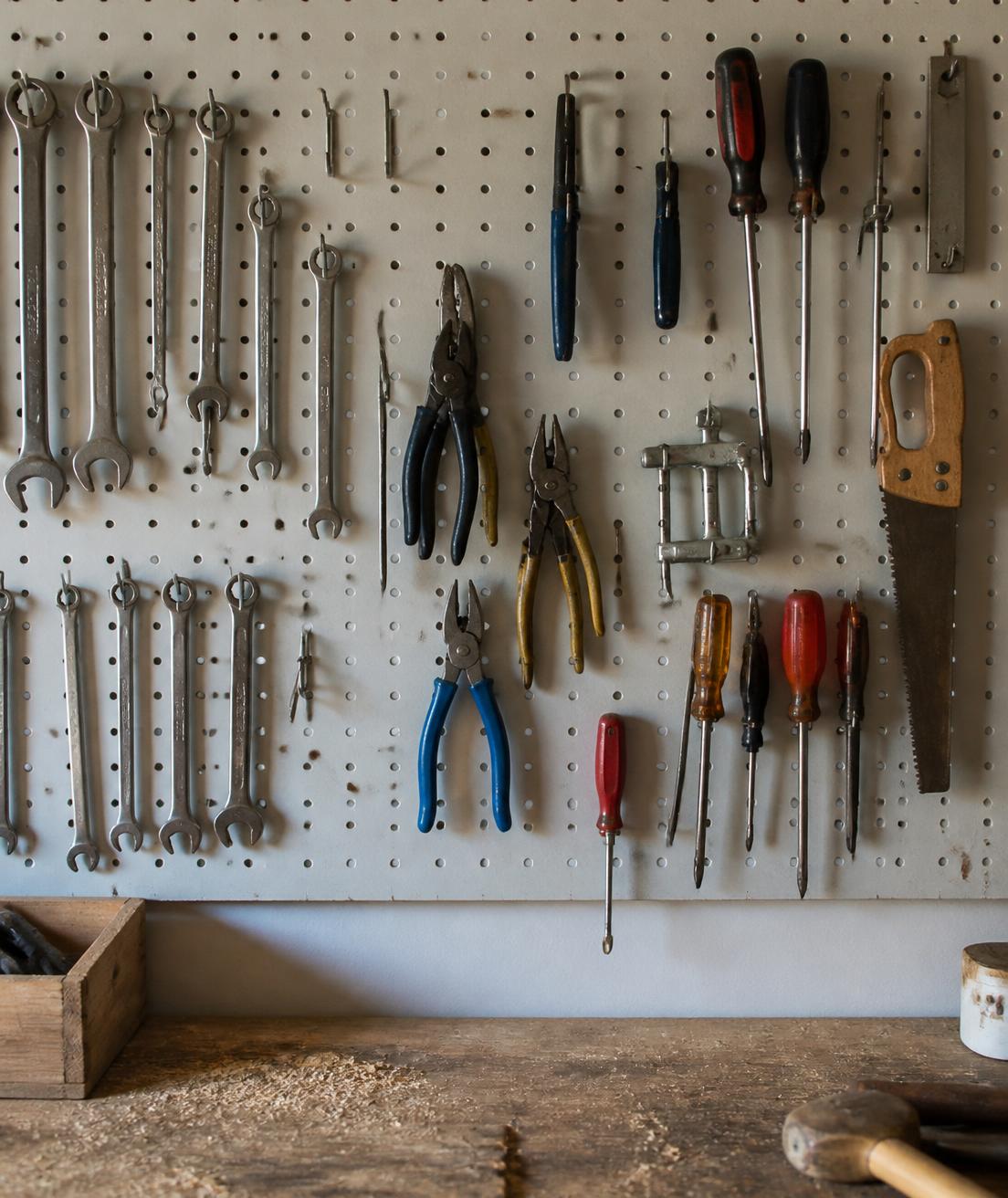
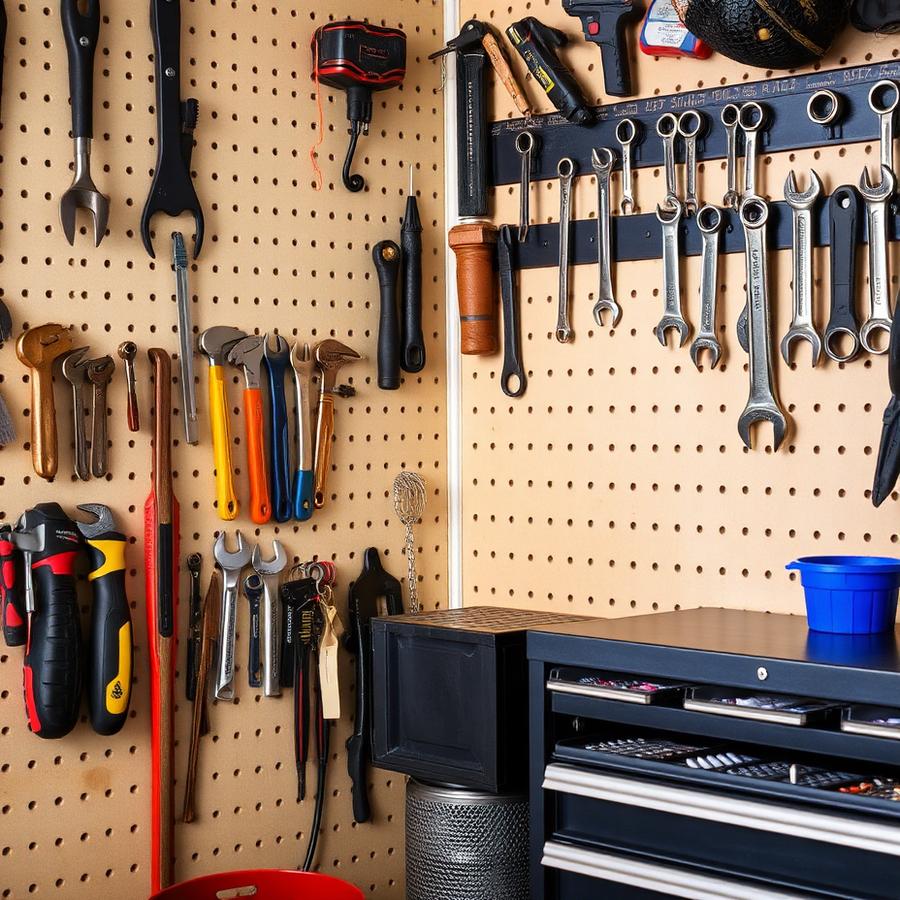
Place everyday tools and items at eye level or arm’s reach. This reduces time spent searching and improves efficiency. It also prevents unnecessary movement across the garage. Keeping things accessible makes daily use smoother and more convenient. It encourages consistency in maintaining organization. Items you use often should never be hard to reach.
Store seasonal items overhead
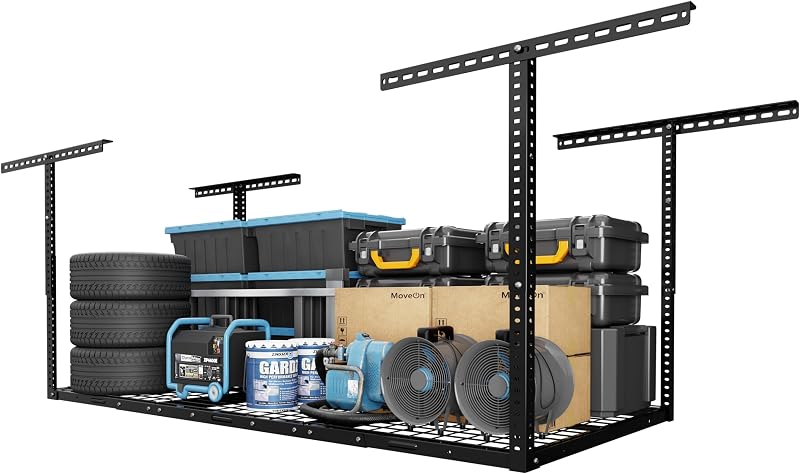
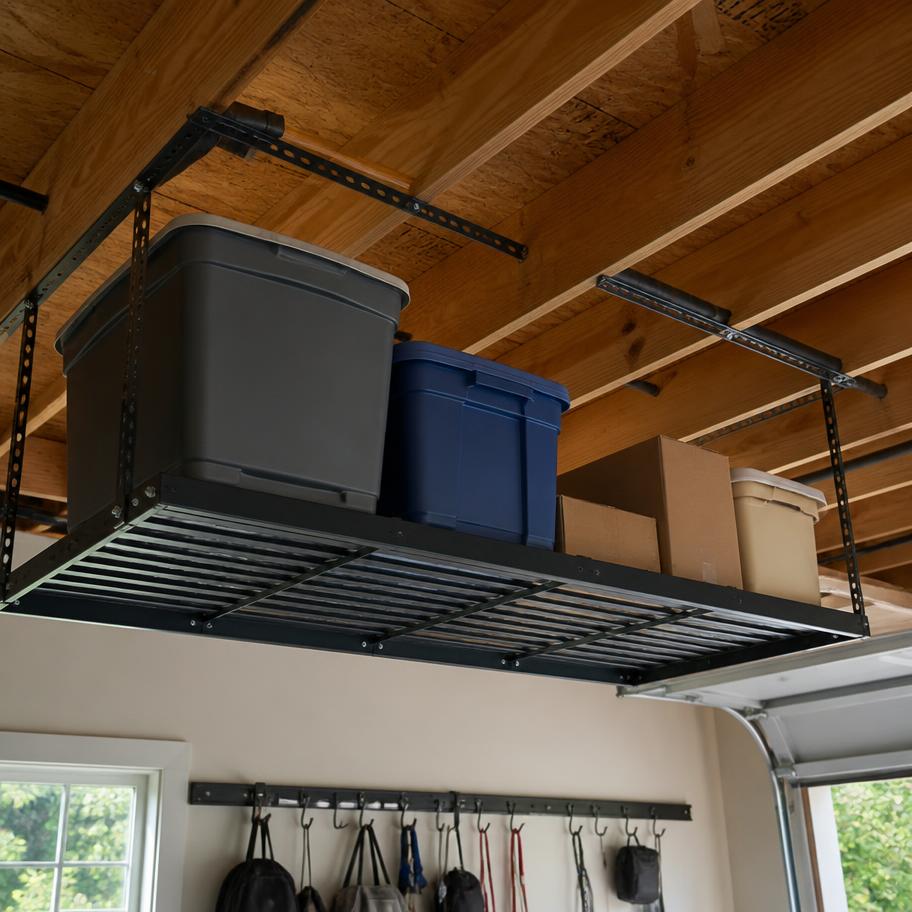
Items that are not used regularly should be kept out of the way. Overhead storage is perfect for this because it frees up more accessible areas. This helps prevent clutter in commonly used zones. It also keeps rarely used items safe and organized. Separating seasonal storage improves overall layout. It’s a smart way to prioritize space.
Group similar items together
Organize your garage into sections based on item type. Tools, sports equipment, and cleaning supplies should each have their own area. This makes it easier to find things quickly. Grouping items also creates a more structured and logical layout. It reduces confusion and keeps everything in order. Over time, this improves overall efficiency.
Avoid stacking items randomly
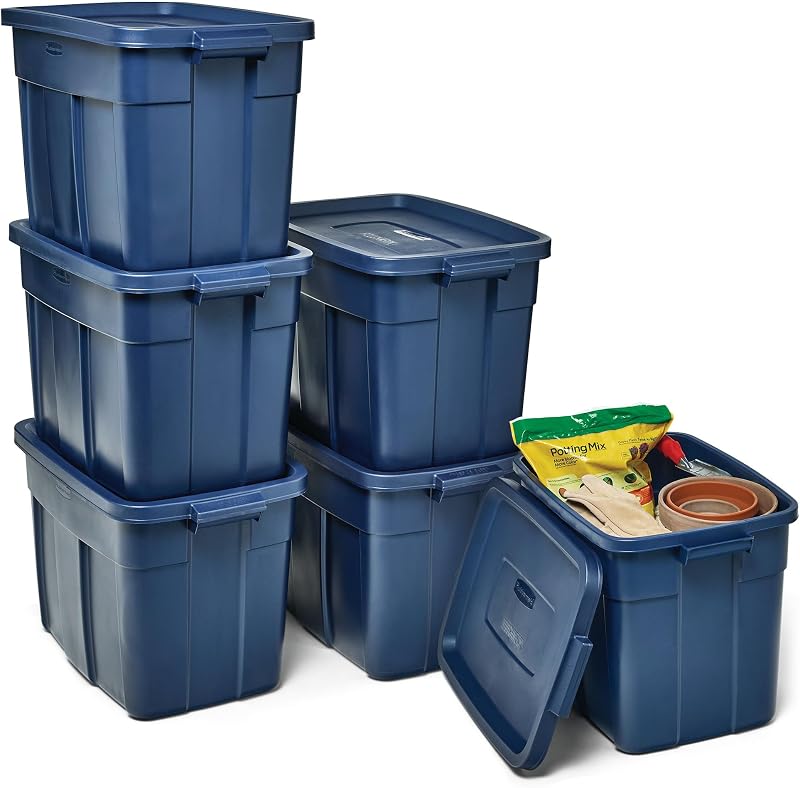
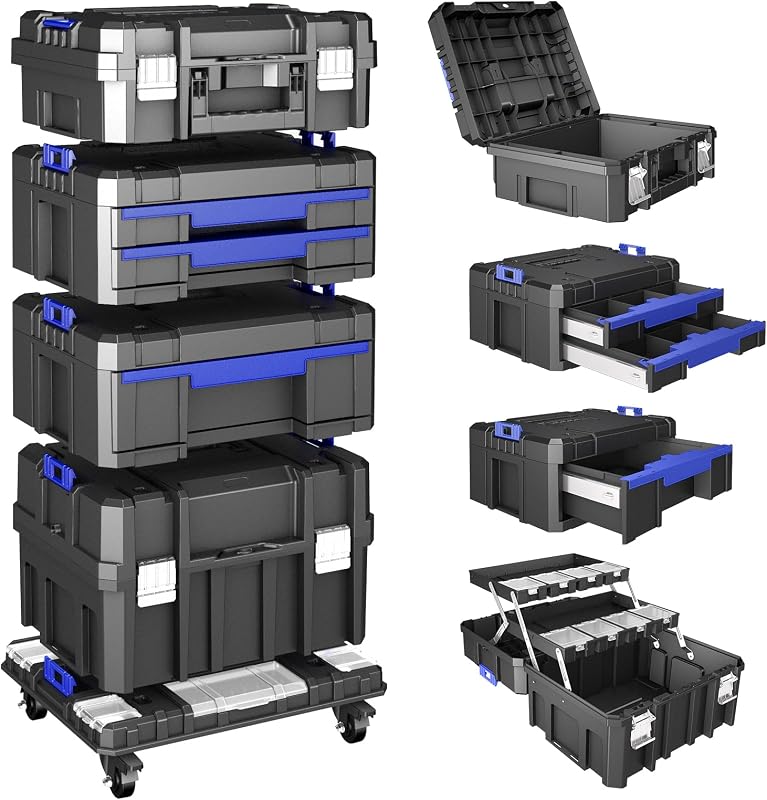
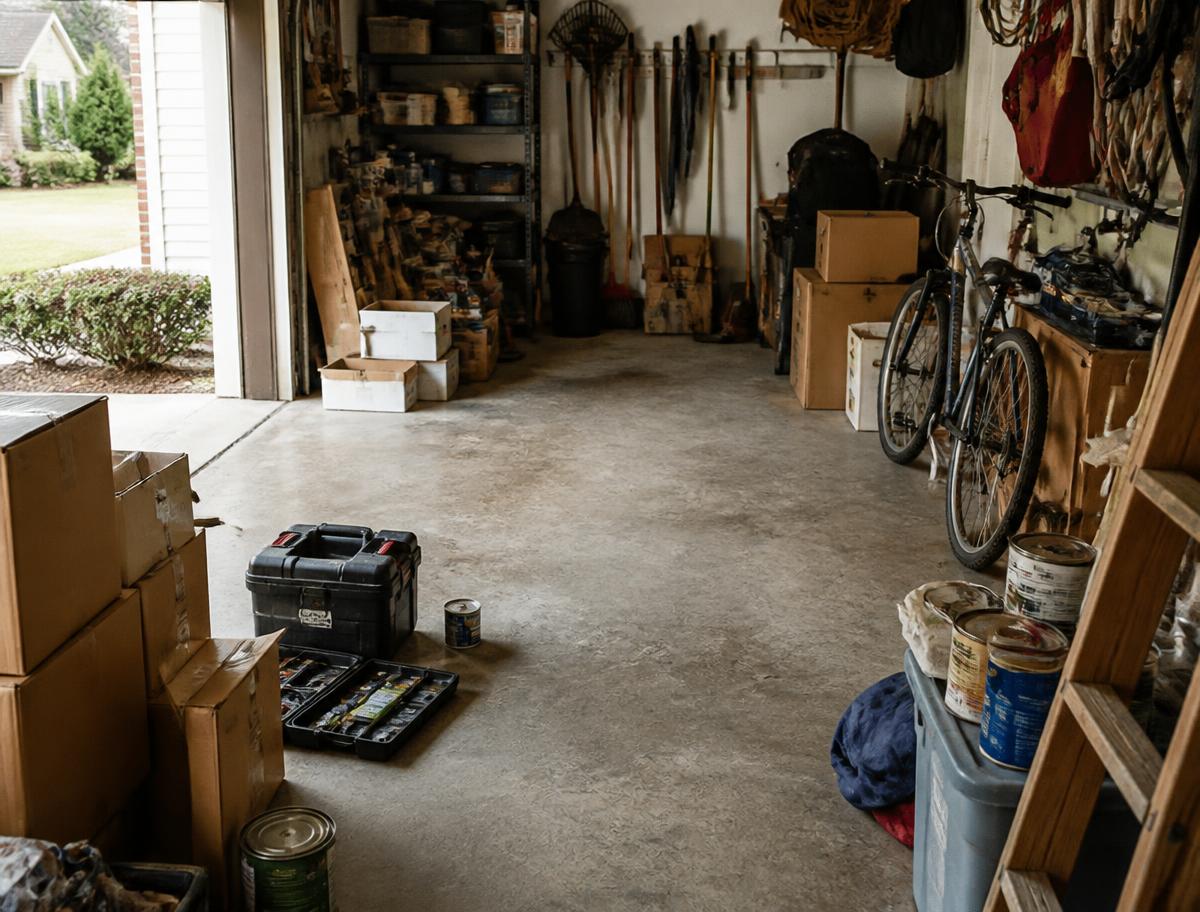
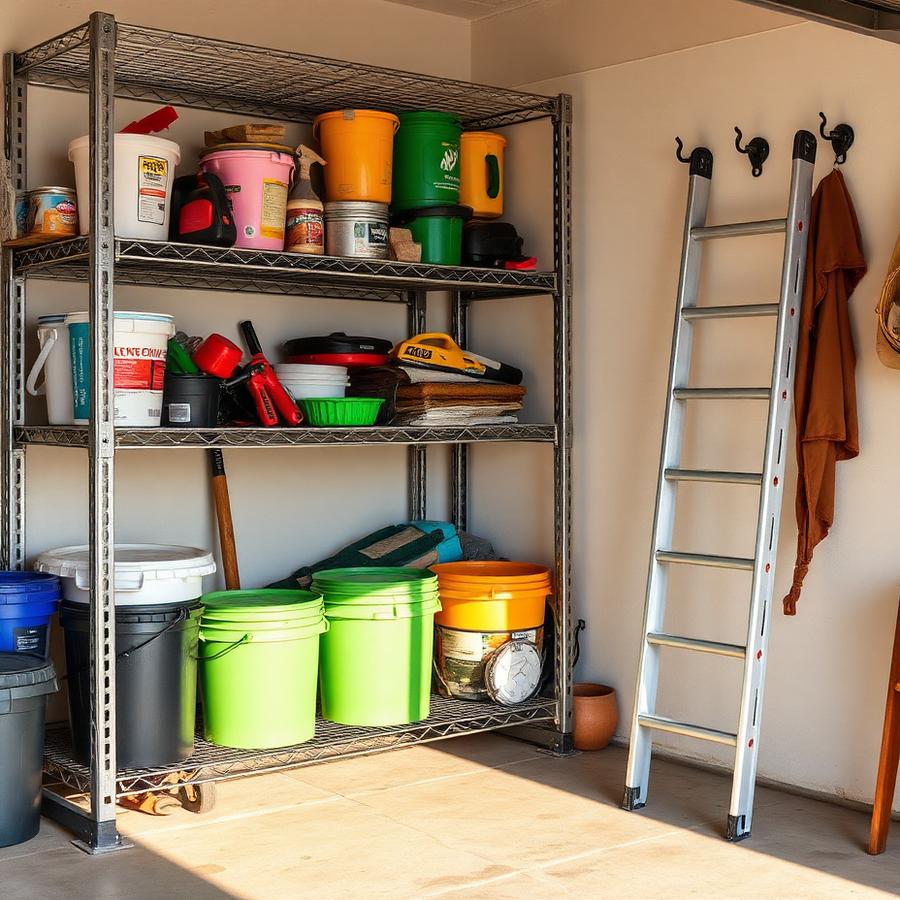
Random stacking leads to clutter and makes items hard to access. Instead, use structured storage like shelves or bins. This keeps everything visible and organized. It also prevents items from getting damaged. A more intentional setup improves both function and appearance. It’s easier to maintain a system than fix a mess later.
Keep the floor as clear as possible
The more space you free up on the floor, the larger your garage will feel. Use wall and ceiling storage to lift items off the ground. This also makes cleaning easier and improves movement. A clear floor creates a more open and functional space. It reduces the feeling of clutter. Prioritizing floor space is key in small garages.
Label storage bins clearly
Labels make it easier to identify contents without opening every container. This saves time and reduces frustration. It also helps maintain organization over time. When everything is labeled, it’s easier to return items to their proper place. This keeps your system consistent. Clear labeling improves long-term efficiency.
Create a dedicated workspace zone
Separate storage from workspace to avoid mixing tools and clutter. A defined area for projects helps maintain order. It also improves focus and productivity. Keeping this space organized makes it more enjoyable to use. It prevents tools from spreading across the garage. A clear zone structure improves functionality.
Use compact storage solutions
Choose storage that fits your space without overwhelming it. Oversized units can make a garage feel cramped. Compact solutions keep things efficient and manageable. They allow you to store more without reducing usability. This is especially important in smaller garages. Smart sizing makes a big difference.
Maintain regularly to prevent buildup
Organization isn’t a one-time task—it requires consistency. Regularly clean and reset your space to avoid clutter returning. Small maintenance habits make a big impact over time. This keeps your garage functional and easy to use. Staying consistent prevents bigger problems later. It’s easier to maintain than restart.
Leave room for flexibility
Don’t fill every space completely—leave room for future items. A flexible layout makes it easier to adapt your storage as needs change. It also prevents overcrowding. Having extra space allows for better organization long-term. It keeps your system sustainable. Planning for growth is just as important as organizing.